.svg)

.svg)

Managing investment portfolios today requires far more than tracking returns. Financial professionals oversee diverse asset classes, operate under strict regulatory frameworks, and serve clients who expect transparency, speed, and personalized insights. In this environment, choosing the best investment portfolio management software is not a technical decision alone, it is a strategic one that directly impacts efficiency, scalability, and client trust.
Modern portfolio management software acts as the operational backbone for wealth managers, asset managers, investment advisors, and multi-family offices. It consolidates data, automates workflows, and provides a unified view of portfolios that would otherwise be fragmented across custodians, asset classes, and systems.
This article explains what investment portfolio management software is, how it supports different financial professionals, and what defines the best solutions in today’s market, using Performativ’s professional and focused approach as a reference point.
The Evolving Demands of Portfolio Management
Portfolio management has grown increasingly complex. Beyond traditional equities and bonds, professionals now manage private equity, venture capital, real estate, structured products, and other alternative investments. At the same time, regulatory requirements such as MiFID II, ESG reporting, and jurisdiction-specific compliance have become more demanding.
Spreadsheets and disconnected tools struggle to keep pace with this complexity. As portfolios scale, manual processes introduce risk, inefficiency, and blind spots. Investment portfolio management software addresses these challenges by centralizing data and standardizing workflows across the entire organization.
What Is Investment Portfolio Management Software?
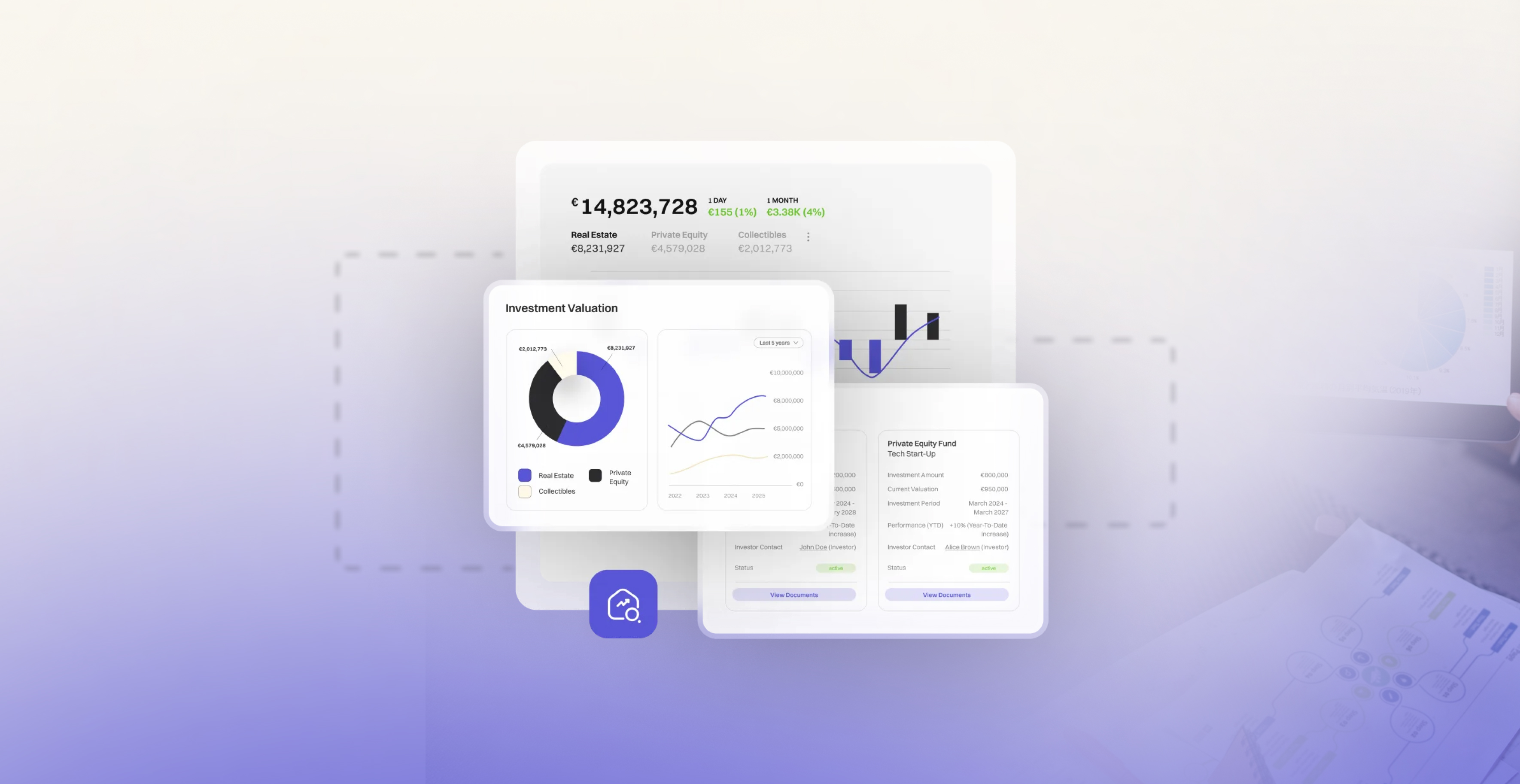
To understand its value, it is essential to define what investment portfolio management software is in practical terms. It is a digital platform that enables financial professionals to monitor, analyze, and manage client portfolios across multiple asset classes and custodians from a single system.
Core capabilities typically include:
- Consolidated portfolio views across all holdings
- Performance analysis and benchmarking
- Portfolio monitoring and rebalancing tools
- Liquidity and cash flow planning
- Regulatory and compliance reporting
- Client-facing dashboards and reports
Rather than serving as a single-purpose tool, modern portfolio management software integrates investment oversight, operations, and client engagement into one cohesive environment.
Why Portfolio Consolidation Is Foundational
One of the biggest challenges in portfolio management is fragmented data. Assets are often spread across multiple custodians, platforms, and jurisdictions, making it difficult to maintain a complete and accurate overview.
High-quality portfolio management software solves this through:
- Multi-custodian data aggregation
- Support for both automated feeds and manual entries
- Coverage across public and private asset classes
By consolidating holdings, transactions, and valuations into one system, professionals gain real-time visibility and reduce reliance on manual reconciliation.
Portfolio Management Software for Different Types of Professionals
The strength of leading platforms lies in their ability to serve different professional roles without compromising consistency or control. Performativ’s platform is designed to empower a wide range of financial professionals through one unified solution.
Supporting Wealth Managers
Wealth managers focus on preserving and growing capital for high-net-worth clients while maintaining strong personal relationships. Portfolio management software supports this role by simplifying oversight and improving communication.
Key benefits for wealth managers include:
- Advanced portfolio analysis across diverse assets
- Liquidity management for short- and long-term planning
- Clear, intuitive reporting to support client collaboration
With complex portfolios unified in one view, wealth managers can spend less time managing data and more time delivering strategic advice.
Enabling Asset Managers at Scale
Asset managers operate at institutional scale, often across multiple markets and regulatory regimes. Portfolio management software helps asset managers maintain precision and consistency while scaling operations.
Critical capabilities include:
- Dynamic asset allocation insights
- Centralized oversight of multi-asset portfolios
- Regulatory compliance aligned with MiFID II, ESG, and other frameworks
A centralized system ensures that performance analysis, risk management, and compliance are handled consistently across portfolios.
Empowering Investment Advisors
Investment advisors require flexible, client-centric tools. They often manage bespoke portfolios for retail investors and HNWIs while working with multiple custodians and product types.
Portfolio management software supports advisors through:
- Client-centric dashboards with on-demand visibility
- Integration with multiple custodians and asset types
- Automated portfolio monitoring and rebalancing notifications
These features allow advisors to maintain strategic allocations while strengthening client engagement.
Portfolio Management in Banking Environments
Banks and large institutions typically operate complex legacy systems. Rather than replacing core infrastructure, portfolio management software must integrate seamlessly as a complementary layer.
For banks, software delivers value by:
- Integrating with existing core banking and portfolio systems
- Reducing data silos across departments
- Supporting institutional-grade reporting, including MiFID II and Basel-aligned frameworks
- Offering modular adoption of features
This flexibility enables banks to modernize portfolio oversight without disrupting critical operations.
Supporting Multi-Family Offices
Multi-family offices manage multi-generational wealth structures involving public markets, private equity, real estate, and collectibles. Portfolio management software provides the structure needed to handle this complexity transparently.
Key benefits include:
- Holistic portfolio views across all asset classes
- Custom dashboards for principals, investment teams, and advisors
- Automated reporting for wealth planning, governance, and tax structuring
By centralizing information, software supports informed decision-making across generations.
Automation as a Core Advantage
Automation is one of the defining advantages of modern portfolio management software. Manual processes are not only time-consuming but also increase operational risk.
Common automation features include:
- Portfolio monitoring and rebalancing alerts
- Task and workflow automation
- Compliance checks and reporting triggers
Automation improves efficiency, reduces errors, and ensures consistency across teams and portfolios.
What Defines the Best Investment Portfolio Management Software?
Not all platforms are created equal. The best investment portfolio management software shares several defining characteristics that go beyond surface-level features.
The best solutions are:
- Scalable, supporting growth from boutique firms to institutions
- Flexible, adapting to different workflows and client types
- Integrated, consolidating data across custodians and systems
- Automated, reducing manual effort and operational risk
- Client-focused, enabling clear, transparent communication
Importantly, the best software evolves continuously, incorporating regulatory changes and user feedback into ongoing product development.
Why Integration and Extensibility Matter
No firm operates in isolation. Portfolio management software must integrate with accounting systems, custodians, and other third-party tools to avoid duplication and inefficiency.
Modern platforms typically offer:
- Open APIs for custom integrations
- Pre-built connections to custodians and brokers
- Synchronization with back-office and accounting systems
This extensibility ensures that the platform remains adaptable as business needs evolve.
Performativ’s Role in Portfolio Management
Performativ’s investment portfolio management software is designed specifically for professionals managing investments on behalf of others. By consolidating data, automating workflows, and supporting compliance, it enables wealth managers, asset managers, investment advisors, banks, and multi-family offices to operate more efficiently from a single platform.
Its modular design allows firms to adopt the functionality they need while maintaining flexibility for future growth. More information about who the platform empowers can be found here.
Final Thoughts
Choosing the best investment portfolio management software is about more than selecting a tool, it is about building a foundation for long-term efficiency, compliance, and client trust. Understanding what investment portfolio management software is helps firms move beyond fragmented systems toward a unified, scalable approach.
As portfolios grow more complex and expectations continue to rise, software that consolidates data, automates processes, and adapts to different professional roles will remain essential. For financial professionals managing investments in a fast-changing landscape, robust portfolio management software is no longer optional, it is a strategic necessity.