.svg)

.svg)

The search for the best wealth management software often begins with feature comparisons. Firms evaluate reporting capabilities, portfolio analytics, and compliance modules while attempting to identify solutions that align with their operational needs. However, selecting infrastructure for wealth management requires a broader perspective. Software decisions influence governance, scalability, and the ability to adapt to regulatory and market changes.
Rather than focusing solely on rankings or marketing claims, firms benefit from assessing how software architecture supports long-term resilience. Modern platforms are not standalone tools. They function as integrated environments where data, workflows, reporting, and compliance operate within a cohesive framework.
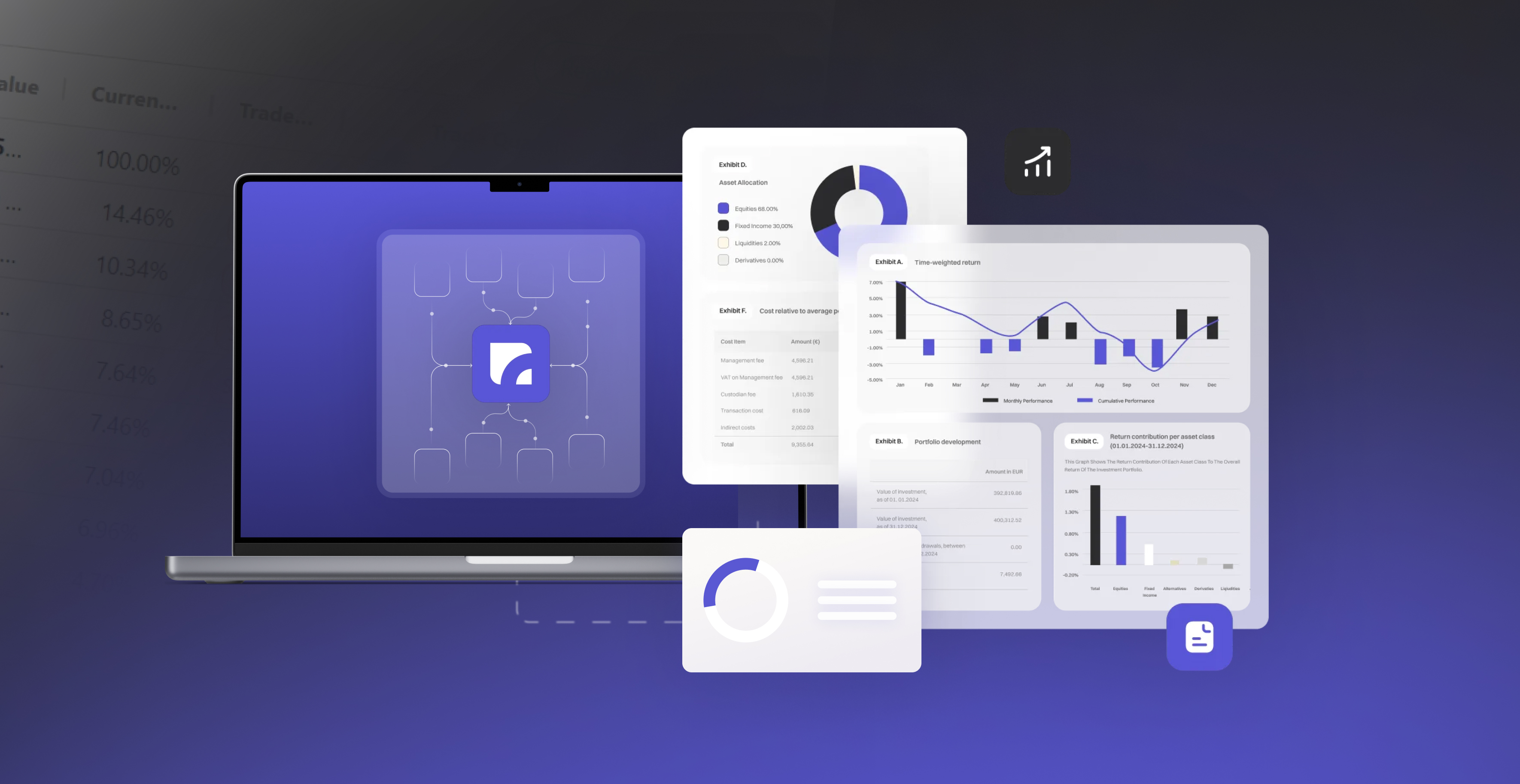
Solutions presented by Performativ illustrate how structured platform architecture can replace fragmented systems and provide a unified operational foundation.
Top Wealth Management Software and Platform Architecture
When firms research top wealth management software, they often compare functionality across vendors. While feature breadth is important, architecture determines how effectively those features interact. Disconnected modules may appear comprehensive but can create inefficiencies if data flows are inconsistent.
Platform-based infrastructure integrates portfolio management, reporting, governance, and digital access within a single system. This approach reduces duplication of effort and minimizes reconciliation challenges. Instead of exporting and importing data across tools, firms rely on a centralized source of truth.
Key characteristics that distinguish platform-driven software include:
- Unified client and portfolio datasets
- Integrated compliance workflows
- Automated reporting aligned with regulatory standards
- Configurable permissions and audit trails
- Scalable infrastructure that supports expansion
These elements contribute to operational consistency, which is essential for firms managing complex portfolios across jurisdictions.
Best Wealth Management Software in the UK and Regulatory Alignment
When professionals refer to the best wealth management software in the UK, they are often emphasizing the importance of alignment with local regulatory frameworks and industry practices.
Firms operating in the United Kingdom must consider compliance with local regulatory standards alongside broader European requirements.
Software that supports regional governance frameworks while maintaining global scalability offers structural advantages. Instead of layering additional tools to meet jurisdictional requirements, firms benefit from infrastructure that embeds compliance within workflows.
In the UK context, this includes consistent reporting, clear audit trails, and role-based access controls that align with regulatory expectations. A structured platform approach simplifies adaptation to evolving standards without requiring fundamental system replacement.
Evaluating the best wealth management software in the UK therefore involves assessing both functional capability and architectural flexibility.
Moving Beyond Feature Lists
The evaluation of the best wealth management software should extend beyond simple checklists. Feature comparisons often overlook how systems behave under growth conditions. As assets under management increase and portfolios diversify, operational complexity expands.
Software that scales effectively must accommodate additional users, asset classes, and reporting obligations without compromising performance. Platform architecture supports this by centralizing data and standardizing workflows.
Without unified infrastructure, growth can introduce friction. Manual reconciliation increases. Reporting cycles lengthen. Risk exposure becomes harder to monitor. A cohesive platform reduces these pressures by maintaining consistent data integrity across expanding operations.
Digital Access and Client Transparency
Modern wealth management requires digital transparency. Clients expect secure access to portfolio information, performance reports, and documentation through intuitive interfaces. Top wealth management software integrates client portals directly into platform architecture rather than treating them as external add-ons.
Cloud-based infrastructure enables secure, real time access while preserving governance controls. Advisors and clients operate from the same validated dataset, reducing inconsistencies and improving communication.
Digital capabilities are most effective when embedded within centralized systems. This ensures that client-facing information aligns with internal reporting and compliance records.
Governance, Security, and Risk Management
Security and governance are central to software evaluation. Wealth management firms manage sensitive financial data and must maintain strict oversight of access and reporting. Platform-based solutions integrate security controls at the infrastructure level.
Role-based permissions, encrypted data storage, and centralized logging contribute to operational accountability. When governance is embedded within the system architecture, firms can respond to regulatory audits with greater confidence.
Assessing the top wealth management software therefore requires examining how governance features interact with operational workflows. Infrastructure should support both efficiency and regulatory alignment.
Scalability and Long Term Adaptability
The search for the best wealth management software often reflects strategic planning. Firms anticipate growth, expansion into new markets, and evolving regulatory requirements. Infrastructure decisions made today influence adaptability in the future.
Scalable platforms accommodate additional portfolios, reporting layers, and jurisdictional requirements without creating fragmentation. Instead of integrating new tools with each phase of growth, firms operate within a system designed to evolve.
Long-term adaptability is achieved when architecture supports configuration rather than constant replacement. This reduces disruption and maintains continuity across teams.
Infrastructure as Strategic Foundation
Ultimately, determining the best wealth management software involves understanding its role within the organization. Software is not merely an operational convenience. It forms the structural foundation of modern wealth management.
Platform-based systems provide centralized oversight, embedded compliance, digital transparency, and scalability. These attributes enable firms to manage complexity with discipline and clarity.
Rather than focusing exclusively on rankings, firms benefit from evaluating how infrastructure aligns with governance, operational efficiency, and long-term resilience. In an environment shaped by regulatory change and portfolio diversification, cohesive architecture defines sustainable success.
The concept of the best wealth management software therefore extends beyond simple feature comparison. It represents a strategic decision about how a firm structures its data, workflows, and governance to operate effectively in a complex financial landscape.