.svg)


.svg)

The financial industry has changed dramatically over the last decade. Wealth is no longer limited to traditional portfolios of stocks and bonds, and client expectations now extend far beyond periodic reports or annual reviews. Against this backdrop, a foundational question arises: “what is a wealth management company?” And how has its role evolved in a technology-driven environment?
A wealth management company is an organization that manages investments and financial affairs on behalf of individuals, families, institutions, or organizations. Its role goes beyond asset selection. It encompasses portfolio construction, risk management, compliance, reporting, and long-term financial planning, often across multiple asset classes and jurisdictions.
Today, wealth management companies increasingly rely on advanced digital platforms to deliver these services efficiently, transparently, and at scale. Solutions like Performativ illustrate how technology and expertise now work together to redefine modern wealth management.
The Core Role of a Wealth Management Company
At its foundation, a wealth management company exists to help clients preserve, grow, and structure wealth over time. This involves far more than generating returns. Modern wealth management integrates strategic planning, operational execution, and regulatory oversight into a cohesive service.
Core responsibilities typically include:
- Portfolio management across public and private assets
- Risk and liquidity management
- Regulatory and compliance oversight
- Performance reporting and transparency
- Client communication and engagement
To deliver these services effectively, firms must manage increasing complexity while maintaining trust and accountability.
What Does Wealth Management Mean in Practice?
Answering the question of “what does wealth management mean?” requires moving beyond simple definitions. In practice, wealth management is a holistic approach to financial stewardship that aligns investment decisions with a client’s broader financial goals, risk tolerance, and long-term plans.
This holistic approach often includes:
- Managing diversified, multi-asset portfolios
- Integrating private equity, real estate, and alternative investments
- Monitoring performance and risk continuously
- Ensuring compliance with evolving regulations
- Providing clear, timely reporting
Rather than focusing on isolated transactions, wealth management emphasizes continuity, governance, and informed decision-making over time.
Why Technology Is Central to Modern Wealth Management
As portfolios become more complex and regulatory expectations increase, traditional manual processes are no longer sufficient. Wealth management companies increasingly depend on integrated technology platforms to manage data, workflows, and compliance efficiently.
Modern wealth management platforms enable firms to:
- Consolidate data from multiple custodians and asset classes
- Automate routine operational tasks
- Maintain consistent audit trails
- Deliver real-time insights to advisors and clients
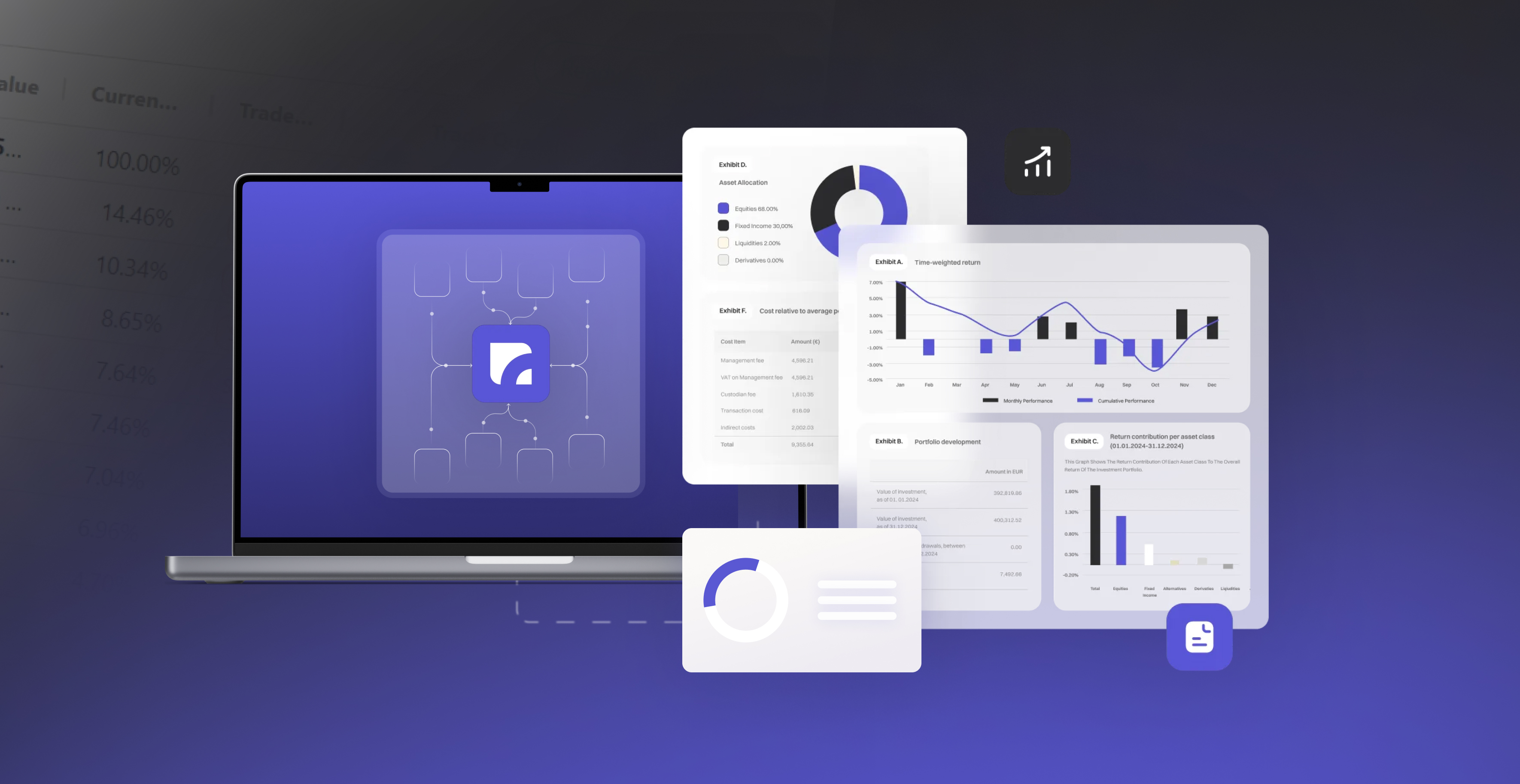
Performativ, for example, positions itself as a holistic wealth management platform that unifies portfolio management, reporting, compliance, and automation in one secure environment. This allows wealth management companies to focus more on strategic value and less on operational friction.
Why Wealth Management Matters More Than Ever
The question of why wealth management is increasingly relevant in today’s financial landscape is clear. Global markets are more interconnected, regulatory frameworks are more demanding, and clients expect higher levels of transparency and personalization.
Key reasons wealth management have become essential include:
- Growing complexity of financial instruments and asset classes
- Increased regulatory scrutiny across jurisdictions
- Demand for real-time reporting and insights
- Need for scalable, efficient operations
Without structured wealth management processes and systems, firms risk inefficiency, compliance gaps, and reduced client trust.
The Expanding Scope of Wealth Management Services
Modern wealth management companies serve a diverse range of clients, each with distinct needs and expectations. As a result, services have expanded beyond traditional advisory models.
Wealth Managers and High-Net-Worth Clients
For wealth managers serving HNWIs, the focus is on long-term preservation and growth of capital. This requires deep portfolio insight, liquidity planning, and strong client collaboration.
Asset Managers
Asset managers use wealth management platforms to oversee large, multi-asset portfolios efficiently while maintaining compliance across markets.
Investment Advisors
Advisors rely on client-centric dashboards, automated monitoring, and flexible reporting to deliver personalized advice at scale.
Banks
Banks integrate wealth management platforms or components hereof as modular layers within existing infrastructures to enhance data consolidation and workflow efficiency.
Multi-Family Offices
Multi-family offices manage multi-generational wealth structures, requiring holistic portfolio views, governance tools, and automated reporting.
A modern wealth management company must be equipped to support all these use cases through flexible, scalable technology.
Automation and Intelligence in Wealth Management
Automation has become a cornerstone of effective wealth management. Manual processes increase cost and risk, while automation improves consistency and efficiency.
Advanced platforms now incorporate intelligent automation and AI-driven components to:
- Monitor portfolios continuously
- Trigger alerts for risk or compliance events
- Streamline operational workflows
- Support advisors with timely insights
Performativ’s use of AI agents demonstrates how intelligence can be embedded responsibly into wealth management platforms, supporting decision-making while maintaining governance and auditability.
More information about how AI agents support wealth management operations can be found here.
Compliance, Security, and Trust
Trust is the foundation of any wealth management company. Clients entrust firms with sensitive financial data and long-term financial outcomes. As a result, security and compliance are non-negotiable.
Modern wealth management platforms emphasize:
- Robust data security and encryption
- Role-based access controls
- Immutable audit trails
- Alignment with global regulatory frameworks
By centralizing compliance and documentation, firms reduce risk while improving transparency for both regulators and clients.
Client Experience as a Competitive Differentiator
Client expectations have evolved alongside consumer technology. Today’s clients expect:
- Real-time portfolio visibility
- Clear, intuitive reporting
- Consistent digital experiences aligned with a firm’s brand
Wealth management companies increasingly use white-labelled platforms to deliver professional, branded client portals that strengthen trust and engagement.
The Strategic Importance of Platform-Based Wealth Management
The most successful wealth management companies today operate as platform-driven organizations. Rather than relying on fragmented systems, they use integrated platforms to manage operations end to end.
Key benefits of this approach include:
- Reduced operational complexity
- Greater scalability without proportional headcount growth
- Improved data accuracy and consistency
- Enhanced ability to adapt to regulatory change
Performativ’s platform exemplifies this model by combining portfolio management, automation, compliance, and intelligence into one cohesive system.
Looking Ahead: The Future of Wealth Management Companies
Wealth management will continue to evolve as markets, technology, and regulations change. Future-focused wealth management companies will be those that:
- Embrace automation and governed AI
- Invest in scalable, integrated platforms
- Prioritize transparency and client experience
- Maintain strong compliance and security foundations
The role of the wealth management company is shifting from manual oversight to strategic orchestration supported by technology that enables clarity and control.
Final Thoughts
Understanding the answers to the questions of “what is a wealth management company?”, “what does wealth management mean?”, and “why wealth management matters?” is essential in today’s financial environment. Wealth management is no longer just about selecting investments, it is about managing complexity, risk, and relationships at scale.
As firms face growing demands from clients and regulators alike, technology-driven platforms such as Performativ are redefining how wealth management companies operate. By unifying data, automating workflows, and embedding intelligence responsibly, modern wealth management companies are better equipped to deliver long-term value, trust, and resilience in an increasingly complex financial world.